Learn what to expect when visiting the Emergency Department. Learn More
- Products
- Telemedicine Software
- Appointment Scheduling Software
- Electronic Medical / Health Records
- Patient Appointment Reminders
- Pharmacy Management System
- Vaccination Management
- Appointment Booking Software With IVR Solutions
- Medical Billing Software
- LIMS Software
- Hospital Stock And Inventory Management
- Patient Management System
- Doctor Appointment App
- Solutions
- Why DocPulse?
- Clinic Management Software
- June 21, 2024
- 6 MINS READ
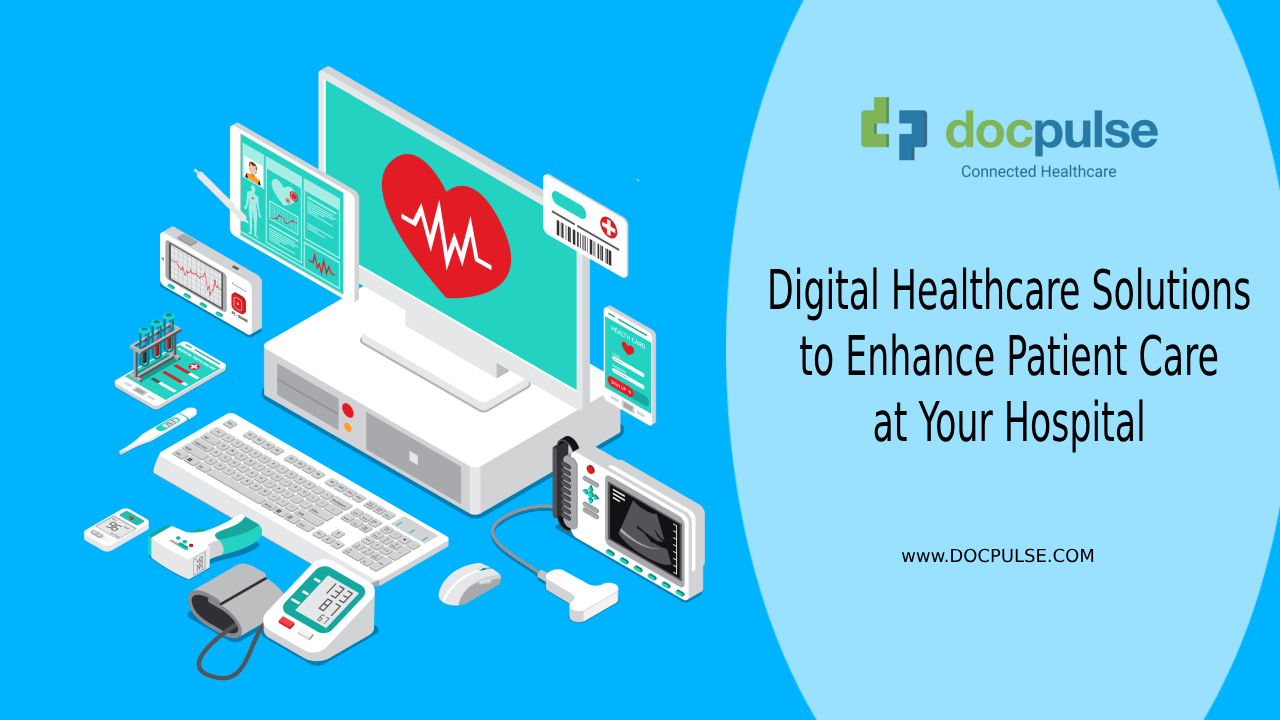
Digital healthcare solutions, like DocPulse hospital management software, can drastically improve the quality of patient care, improve operational efficiency, and ensure data security at your hospital.
In this blog we will discuss how adopting digital healthcare solutions can transform your hospital, benefiting both patients and healthcare providers.
The Need for Digital Healthcare Solutions
Healthcare facilities face numerous challenges, including managing patient data, ensuring compliance with regulatory standards, optimizing resource allocation, and maintaining high levels of patient satisfaction.
Traditional methods often involve manual processes, which can be time-consuming, error-prone, and inefficient. Modern healthcare software offer a comprehensive approach to overcoming these challenges, enabling hospitals to provide high-quality care and streamline operations.
What does one of the best Hospital Management Software offer?
Comprehensive Patient Management
Effective patient management is at the core of any healthcare facility. Hospital management software integrates various functionalities to ensure seamless patient care:
Electronic Health Records (EHR)
A robust EHR/EMR system stores comprehensive patient information, including medical history, treatment plans, test results, and more. This centralized database ensures healthcare providers have immediate access to accurate and updated patient information, facilitating better decision-making and continuity of care.
Appointment Scheduling
The software automates the scheduling process, allowing patients to book, reschedule, or cancel appointments online. Automated reminders help reduce no-show rates and ensure efficient use of resources.
Mobile Apps for Patients
These applications are Android and iOS friendly and intuitive, enhancing patient engagement by allowing individuals to access their medical records, view test results, and communicate with healthcare providers.
Easy Medical Billing and Revenue Management
Billing is a critical aspect of hospital management that requires precision and efficiency.
How does DocPulse Hospital Billing Software Solution simplify the process?
Automated Billing
The software automates the billing process, including insurance claims, payment processing, and invoice generation, reducing the risk of errors and ensuring timely payments.
Revenue Cycle Management
The software provides insights into the revenue cycle, helping identify bottlenecks and optimize financial performance.
Industry Standard Compliance with Healthcare Technology Regulations
Ensure the software complies with healthcare billing standards and regulations, such as HIPAA.
Inventory and Resource Management
Efficient inventory management ensures that your facility always has the necessary supplies and medications.
Important features include:
Real-Time Inventory Tracking
The software tracks inventory levels in real-time, alerting you to low stock and automatically generating reorders.
Pharmacy Management Billing:
Generate pharmacy Sales and Purchase invoices, easy return filing, stock adjustment and rack allocation capabilities.
Data Security and Compliance
Protecting patient data is essential. Choose a software that prioritizes data security and compliance:
Encryption
The software ensures that data is encrypted both in transit and at rest to prevent unauthorized access.
Access Controls
Role-based access controls ensure that only authorized personnel can access sensitive information.
Regular Security Audits
The software undergoes regular security audits to identify and address vulnerabilities.
Regulatory Compliance
Ensure the software complies with relevant regulations, such as HIPAA, GDPR, or local healthcare laws.
Integration Capabilities
Healthcare facilities often use multiple systems. DocPulse hospital management software is integrated seamlessly with other solutions, such as:
Lab Information Systems (LIS)
Integration with LIS allows automatic syncing of lab results with patient records.
Pharmacy Management Systems
Seamless integration ensures accurate medication dispensing and inventory management.
Telemedicine Platforms
Built-In telemedicine platforms enhances remote care capabilities.
Benefits of Digital Healthcare Solutions
Improved Patient Care
Digital healthcare solutions significantly enhance patient care by providing healthcare providers with comprehensive and accurate patient information. Immediate access to EHRs, test results, and treatment plans ensures that healthcare professionals can make informed decisions quickly. This improves the quality of care and patient outcomes.
Enhanced Patient Engagement
Patient engagement is a key factor in improving health outcomes and patient satisfaction. Digital healthcare solutions offer various tools to enhance patient engagement, such as patient portals, telemedicine platforms, and automated reminders for appointments and follow-ups. These features empower patients to take an active role in their healthcare, leading to better adherence to treatment plans and improved overall health.
Cost Savings
By reducing the need for manual processes and physical infrastructure, digital healthcare solutions offer significant cost savings. Automated billing and inventory management reduce errors and ensure timely payments, improving financial stability. Efficient resource allocation and optimized workflows lead to cost reductions, allowing healthcare facilities to allocate resources more effectively.
How to Choose the Best Digital Healthcare Solution
Assess Your Needs
Begin by assessing the specific needs of your hospital or clinic.
Consider factors such as:
Size of the Facility
The size and scope of your facility will influence your software needs. A small clinic may require different features compared to a large hospital.
Specialties and Services
Identify the specialties and services offered by your facility. Specialized software may be required for departments such as radiology, oncology, or mental health.
Current Challenges
Identify the current challenges you face in managing your facility. This will help you prioritize features that address these issues.
Research and Shortlist Vendors
Research various hospital management software vendors and create a shortlist based on their offerings. Consider the following:
Reputation and Reviews
Look for vendors with a good reputation and positive reviews from other healthcare providers.
Experience and Expertise
Choose vendors with experience in the healthcare industry and a proven track record of successful implementations.
Customer Support
Ensure the vendor provides reliable customer support and training to help your staff transition to the new system.
Evaluate Features and Functionality
Compare the features and functionality of the shortlisted Hospital software solutions. Consider conducting a demo or trial to get hands-on experience. Evaluate how well the software meets your needs in areas such as:
Usability
The software should be user-friendly and intuitive for both clinical and administrative staff.
Customization
Look for software that can be customized to fit your specific workflows and requirements.
Scalability
Ensure the software can scale as your facility grows, accommodating more patients, staff, and services.
Consider Cost and ROI
While cost should not be the only deciding factor, it is essential to consider your budget and the potential return on investment (ROI). Look for software that offers transparent pricing and a good balance between cost and features. Consider the long-term benefits, such as:
Improved Efficiency
Reduced administrative workload and streamlined processes can lead to significant cost savings.
Enhanced Patient Care
Better patient management and engagement can result in improved patient outcomes and satisfaction.
Optimized Revenue Cycle
Efficient billing and revenue cycle management can enhance financial performance.
Invest in a reliable Hospital Management Software, Today!
Adopting digital healthcare solutions is a strategic move towards enhancing operational efficiency, improving patient care, and ensuring data security. The comprehensive features of hospital management software, including patient data management, appointment scheduling, billing, and inventory management, provide a robust framework for modern healthcare facilities. By investing in the right digital solutions, hospitals and clinics can stay ahead of the curve, deliver higher quality care, and achieve better patient outcomes.
DocPulse, a leading provider of hospital management software, offers comprehensive solutions designed to enhance efficiency, improve patient care, and ensure data security. With features such as electronic health records, automated billing, inventory management, and telemedicine integration, DocPulse can transform the way you manage your hospital or clinic. Invest in DocPulse’s digital healthcare solutions today and take the first step towards a more efficient and patient-centric healthcare facility.
Click here to book a free demo